When you buy a pre-owned vehicle, some common used car problems often remain hidden until a professional inspection has been made. These evaluations provide an objective assessment of the vehicle’s mechanical condition, efficiency of safety systems and structural integrity. While a vehicle may appear well-maintained from the exterior, underlying defects may significantly affect its reliability and future repair costs.
In this aspect, being able to identify persistent issues in the vehicle’s internal components allows you to choose the right pre-owned car.
10 Common Used Car Problems Identified During On-Site Inspections
An organised car inspection process assists mechanics to examine the vehicle’s mechanical system, exterior condition, functionality of safety components and overall performance. To identify the vehicle’s overall structural integrity, car mechanics perform a visual assessment, use diagnostic scanning tools and test drive the vehicle on nearby lanes.
The following are the top 10 common used car problems and their potential implication for buyers:
1. Engine-Related Issues
The engine is one of the most thoroughly examined components of cars during any inspection because of its complex engineering and high replacement cost. Some of the typical engine issues identified during a used car purchase are as follows:
– Oil leaks from gaskets or seals
– Excessive exhaust smoke
– Irregular idling or slow acceleration
– Unusual knocking or ticking noises
– Contaminated, burnt, or low engine oil
Besides the above concerns, you can also evaluate engine mounts, belts, hoses and cooling connections with the help of auto engine diagnostics experts. Any irregular mechanical noise should be carefully assessed, as internal engine repairs are complex and the availability of parts may depend on the car’s make and model.
Also Read: The Most Overlooked Engine Problems Found in Perth Cars
2. Transmission Concerns
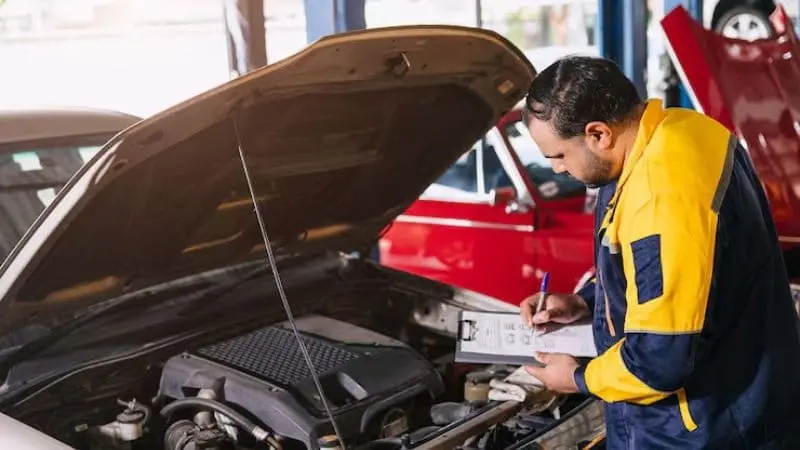
Whether you purchase an automatic or manual transmission car, it directly impacts the vehicle’s performance. While test-driving the car, look for the following signs:
– Delayed gear engagement
– Slipping or harsh gear transitions
– Fluid leaks beneath the vehicle
– Burnt transmission fluid odour
– Abnormal noises during shifting
Early detection of the above or any other related transmission issues through mobile car mechanics can help you select the right vehicle with a functional gearbox.
3. Brake System Deficiencies
The braking system’s integrity is placed as a fundamental aspect to ensure road safety. You should pay close attention to brake-related components during both static checks and test drives.
Some of the crucial points to check braking components include:
– Brake pad thickness
– Rotor surface condition
– Brake fluid levels and quality
– Dashboard warning indicators
– Brake responsiveness
Worn brake pads and warped rotors reduce the braking power and may cause vibration when you try to stop the vehicle. With the help of a car inspection service provider, you can completely check the vehicle to ensure maximum safety while driving.
Also Read: Soft Brake Pedal? Causes You Shouldn’t Ignore
4. Suspension and Steering Wear
Suspension components influence your vehicle’s stability, ride comfort and overall control on both city drive and off-road conditions. While purchasing a used vehicle, check the following crucial component conditions to prevent an uncomfortable driving experience:
– Malfunction in shock absorbers or struts
– Worn suspension bushings
– Loose ball joints or tie rod ends
– Uneven tyre wear patterns
– Audible clunking over uneven surfaces
In order to check for these issues, you can take assistance from a mobile auto mechanic. Through expert assistance, you can get complete reports of vehicle stability and suggestions for necessary repairs.
5. Electrical System Malfunctions
Modern vehicles have extensive, complex electronic systems. For that reason, you should check the following electrical components to prevent electrical system malfunction:
– Battery condition and its voltage output
– Alternator charging performance
– Dashboard warning lights
– Opening and closing of power windows
– Infotainment and lighting systems
A thorough car inspection through a mobile car mechanic Perth can help you clarify the scope of potential electrical repairs before you make the purchase. This is because electrical system repairs can range from battery replacement to more extensive wiring or control module issues.
6. Fluid Leakage
While purchasing a pre-owned vehicle, check your vehicle’s engine bay or underbody with the help of an expert for leaks or signs of oil contamination. During the inspections, some of the common leaks across the vehicle include:
– Engine oil
– Transmission fluid
– Coolant
– Brake fluid
– Power steering fluid
Leakage of such fluids may happen due to worn seals, cracked hoses or loose fittings. By identifying leaks early through used car vehicle inspection, you can determine whether repairs require minor maintenance or complex repairs.
7. Exterior Issues
The vehicle’s exterior durability significantly influences both safety and resale value. Some of the common exterior inspections to do while purchasing a pre-owned vehicle are as follows:
– Panel misalignment
– Inconsistent paint finish
– Evidence of overspray
– Underbody rust or corrosion
– Weld marks or chassis irregularities
Besides these visual imperfections, you should look for signs related to the door opening/closing sound and the condition of the boot compartments. You can also check the vehicle with the assistance of professional vehicle inspections Perth to examine undercarriage areas for detecting hidden structural issues.
8. Tyres and Wheel Condition
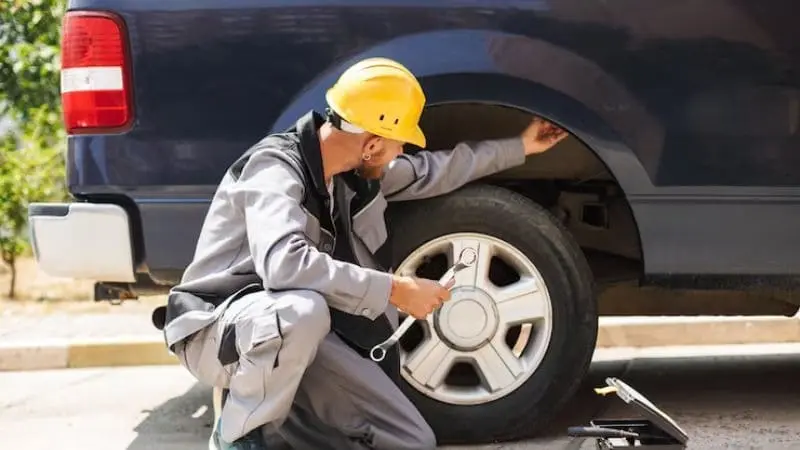
Proper tyre placement and its quality highly influence its performance and braking capabilities. Some of the crucial areas to inspect a car’s tyres include:
– Tread depth
– Uneven wear patterns
– Sidewall cracking or bulging
– Wheel alignment consistency
The above inspections are highly crucial because low tread depth affects your safety in wet conditions. Uneven wear may indicate suspension or wheel alignment problems, while damaged sidewalls compromise structural integrity.
9. Cooling System Failures
The cooling system helps your car to maintain an optimal temperature for both passenger comfort and the proper functioning of the vehicle’s crucial components. Here’s what you need to check from vehicle inspection Perth providers for understanding the car’s cooling system:
– Radiator condition and leaks
– Coolant level and clarity
– Hose integrity
– Thermostat operation
– Cooling fan functionality
Preventive maintenance lets you maintain the optimal temperature of the vehicle. It helps to prevent wear and tear issues of internal components caused by uneven operational temperature.
10. Functionality of Safety Components
The driver and passenger’s safety is the most important aspect of a vehicle’s structural integrity. To identify how safe the car is, you can go through the following vehicle check before buying it:
– Reliability of the airbag system
– Seatbelt operation
– Air conditioning performance
– Dashboard instrument functionality
– Any signs of upholstery and trim wear
Importance of Professional Inspections
Independent inspection allows you to get a comprehensive evaluation of the vehicle’s condition. With the help of mobile mechanic service providers, you can get clarity regarding necessary repairs and the fair market value of the vehicle. This process strengthens your negotiation position and reduces the likelihood of unexpected post-purchase expenses.
Final Thoughts
The identification of used car problems prevents you from making additional expenses and ensures road safety. Engine defects, transmission faults, structural damage, and electrical concerns can significantly affect the car ownership costs. To avoid such occurrences, mobile car inspection brings clarity regarding the vehicle’s true condition and allows you to make the most valuable purchase.
Also Read: What Does A Car Diagnostic Test Tell You?
FAQ’s
1. Does an inspection include a test drive?
Answer 1:
Yes, in most instances, vehicle checks include a test drive. This test helps you identify the type of braking response, gear transitions, engine performance under load and unusual vibrations.
2. How long does an on-site used car inspection typically take?
Answer 2:
The actual duration taken to check the vehicle you intend to purchase depends on its make and model. Yet, most vehicle inspections are completed between 60 and 120 minutes.
3. Is a diagnostic scan necessary during a used car inspection?
Answer 3:
Yes, a diagnostic scan is highly recommended prior to purchase the vehicle. Scanning the onboard system helps you detect electronic or sensor-related issues within the vehicle.
4. Can I negotiate the vehicle price based on inspection findings?
Answer 4:
Yes, inspection results give you the advantage to get the most valuable pricing for the vehicle. You can also ask the dealer to repair the vehicle before making the purchase.
5. Should I still arrange an inspection if the vehicle has a full service history?
Answer 5:
You should go for experts like a mobile mechanic Perth, even if the vehicle has a complete service history. It helps you know the current condition of the car, along with complete details of its performance.