A smooth ride does not just make sure that you travel in comfort. The connection between shock absorbers and tyre wear, and how they affect the performance and safety of a car, is often disregarded by people.
A well-operating shock absorber protects your tyre from any kind of unnecessary strain. However, once this component begins to fail, the life of your tyre also starts to decrease. This is the reason why it is significant to understand this relationship for a safe driving experience in Australia throughout the year.
The Link Between Suspension and Tyre Longevity
It is the suspension system that connects your vehicle to the road and absorbs the impact from bumps and uneven surfaces. It ensures that there is a consistent contact between the tyres and the road. This makes sure that there are no uneven tread patterns or damage.
Once the wear and tear of the suspension parts takes place, the tyres begin to display uneven pressure and movement. This enhances degradation and irregular treads.
Shock Absorbers and Tyre Wear: Why It Matters
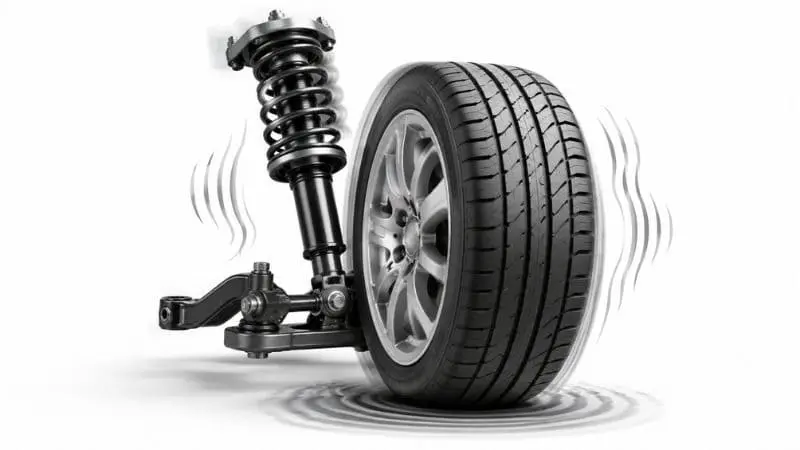
Shock absorbers regulate the up and down movement of your vehicle. When the shocks stop working properly, the tyres no longer have consistent contact with the road. This causes uneven wear patterns and loss of grip, particularly on Australian roads with varying terrain.
In the long term, this not only reduces the life of tyres but also affects the braking and handling. To ensure your tyres are healthy and you keep on enjoying a safe ride, maintaining the shock absorbers is important.
A faulty suspension doesn’t just affect ride quality. It actively damages your tyres over time.
Increased Stress on Tyres
1. Constant vibrations weaken tyre rubber 2. Excessive movement causes premature cracking 3. Heat buildup leads to faster wear
Poor Stability
1. Tyres may rub against surfaces during turns 2. Reduced control increases the chances of damage 3. Uneven pressure leads to irregular wear
Weight Imbalance
1. Uneven load distribution strains certain tyres 2. Some tyres wear faster than others 3. Leads to early replacement costs
Common Tyre Wear Patterns Caused by Bad Shocks
When shock absorbers wear out, they create distinct and visible tyre wear patterns. Recognising these early can save you a lot of money.
Cupping (Scalloping)
1. Appears as dips or hollow patches across the tread 2. Caused by excessive bouncing 3. Leads to noisy and unstable driving
Feathering
1. The tread pattern feels soft on one side and edged on the other side 2. Often linked to suspension imbalance 3. Reduces grip and increases rolling resistance
Bald Spots
Localised smooth areas on tyres
Caused by repeated tyre bounce
Dangerous during braking
These are the biggest indicators that show your tyre is not able to maintain consistent contact with the road and must be checked by a mobile auto service.
The Role of Alignment and Suspension Angles
The vehicle tyre life is highly influenced by suspension geometry. The way your car’s tyre gets in contact with the road is determined by the camber and toe settings.
Camber Issues
1. Positive camber wears the outer edges 2. Negative camber wears the inner edges 3. Leads to uneven tread patterns
Toe Problems
1. An incorrect toe causes feathering 2. Creates a sawtooth pattern 3. Reduces tyre efficiency
The distribution of tyre pressure is affected by the car’s suspension. If any of the parts in the system stop working, the pressure across the tyres becomes uneven.
When the suspension systems fail to work properly, it increases the stress on your tyres. If you do not take care of this, it can lead to punctures that require your car to sit in a Perth tyre shop for days.
Signs Your Suspension Needs Attention
By noticing and taking care of the early warning signs, you will be able to avoid expensive mobile tyre service Perth.
Common Indicators
1. Excessive bouncing over bumps 2. Vehicle pulling to one side 3. Uneven tyre wear 4. Clunking or rattling noises 5. Steering wheel vibration
Shock-Specific Symptoms
1. Fluid leaks from shocks 2. Longer stopping distances 3. Vehicle swaying in the wind 4. Reduced ride comfort 5. Ignoring these signs can lead to rapid tyre deterioration.
Maintaining Suspension for Better Tyre Life
Without regular maintenance, tyres will get damaged, and your car’s performance will also drop. Here is why regular care of suspension is necessary-
Regular Inspections
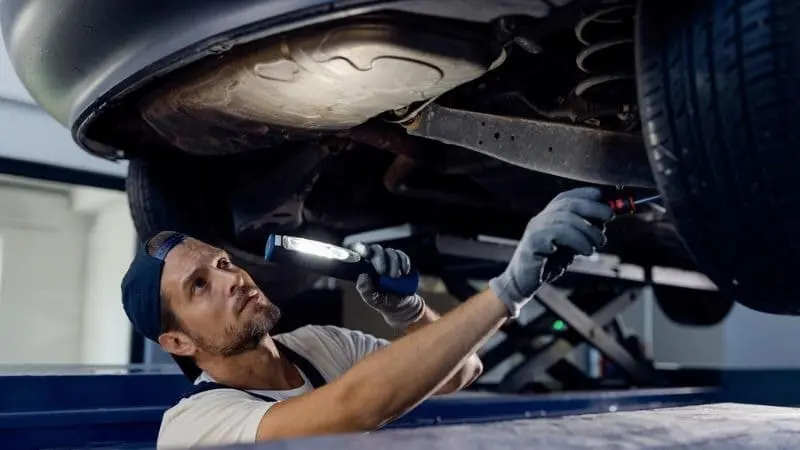
1. Check shocks, bushings, and joints 2. Identify wear early 3. Prevent costly suspension or tyre repairs Perth
Wheel Alignment and Balancing
1. Professional mobile car mechanic ensures correct tyre angles 2. Prevents uneven wear 3. Improves driving stability
If you drive aggressively or don’t take care of your tyres, it can result in you requiring an urgent mobile tyre fitting service. To help prevent these types of situations, it is best to–
Good driving habits and getting your car checked by a mobile car service whenever something feels off will ensure that you have a healthy suspension system all year round.
A lot of drivers fail to realise the importance of the connection between the suspension system and tyres. Properly functioning shock absorbers and tyre wear go hand in hand. They make sure that your car remains stable and every ride feels comfortable throughout the year.
When these absorbers fail, the tyre undergoes uneven contact, which increases stress and the tyres get damaged faster. This is why maintaining the health of your shock absorbers is so important. By taking care of this component as well as the tyres and regular visits to a mobile tyre shop Perth, you will be able to experience a safer and better performance on the road while saving money on expensive replacements and repairs.
FAQ’s
Q. 1 What tyre wear patterns indicate bad shock absorbers?
Answer 1:
Typical signs include cupping (scalloped dips), uneven patches and bald spots. They happen when the tyres bounce too much and do not have consistent contact with the road because of damaged or failing shock absorbers.
Q. 2 How do I know if my shocks are damaging my tyres?
Answer 2:
Check for excessive bouncing, uneven tyre wear, longer stopping distances, or poor handling. These are the signs that show that the movement of the tyres is not being controlled by the shocks and requires a professional vehicle inspection Perth.
Q. 3 Do bad shocks affect wheel alignment?
Answer 3:
Bad shocks do not directly alter the alignment angles but may worsen alignment problems. They permit excessive movement and make the tyres wear in an unbalanced way. It also enhances any existing misalignment problems.
Q. 4 How often should shock absorbers be checked?
Answer 4:
Shock absorbers are to be examined at 20,000km or at the time of regular servicing. Getting your car checked by a professional at a mobile tyre shop is necessary if you drive on rough roads or notice any kind of change in comfort or handling.
Q. 5 Is tyre vibration related to suspension problems?
Answer 5:
Yes, tyre vibrations can indicate that there are problems with the suspension. Worn shocks do not absorb impacts, and the car moves excessively. Such situations can become dangerous, requiring urgent mobile tyre fitting Perth.
Q. 6 Can poor shock absorbers reduce fuel efficiency?
Answer 6:
Yes, worn shocks decrease the contact between the tyre and the road and increase the rolling resistance. This causes the engine to strain, and results in increased fuel use and decreased overall driving efficiency.