Car overheating issues can turn a smooth drive into a stressful situation faster than you expect. One moment your engine feels fine, and the next, steam is pouring from under the hood or the temperature gauge is climbing into the danger zone. Understanding why your car overheats and what you can do to prevent it can save you from expensive repairs, sudden breakdowns, and even roadside emergencies.
Car Overheating: What Causes Engines to Overheat?
Problems that are associated with car overheating may start long before symptoms manifest. Knowing the underlying causes will enable you to react wiser and prevent breakdowns completely. Overheating can hardly be caused by a single point of failure, so a mobile mechanic technician commonly checks a number of major systems in the diagnosis process.
1. Inadequate Coolant
Inadequate coolant is one of the reasons. The coolant passes through the engine absorbing heat; however, when leaks or evaporation reduce coolant levels, the system loses the ability to control the temperature effectively. When this occurs, the engine heats up fast.
At other times, the problem is connected to your mobile auto mechanic examination, where you found that the radiator is clogged with dirt, debris or corrosion. A radiator blockage causes less coolant to flow, and it blocks the heat inside the engine, causing premature overheating.
2. Broken Thermostat
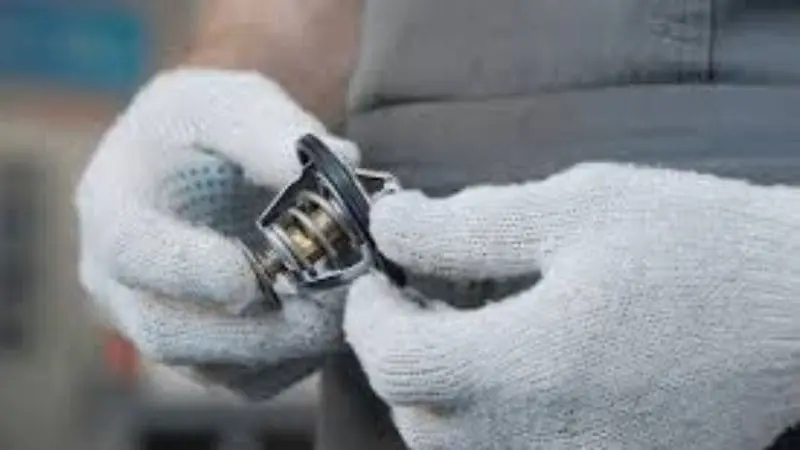
The second significant cause is a broken thermostat. It is a small gadget that opens and shuts down depending on the engine temperature. When it becomes stuck in the closed position, the coolant will not be able to circulate, and as a consequence, the engine will boil internally.
3. Cooling fan
Even the cooling fan may be guilty. Failure of a mechanical or electronic fan prevents the motion of air in the radiator, and this implies that excess heat is retained in the system. This is one of the most ignored reasons for overheating among many mobile mechanics.
4. Exhausted hoses, defective water pumps and poor-quality coolant blends
Exhausted hoses, defective water pumps and poor-quality coolant blends may also play a part. In nearly all instances, disregarding signs of overheating merely increases the deterioration within the engine, and the cost of repairs becomes extremely high.
Car Overheating Early Warning Signs You Should Never Ignore
The faster you identify the symptoms of overheating, the more likely you are to evade damage to the engine. A mobile mechanic professional will explain to you that the first line of defence is the dashboard temperature gauge. It is a signal to take action right away when the needle soars towards the red zone.
1. Engine Power Loss
Sudden loss of engine power in an engine is another early indication. It may slow the car down due to the fact that it is going into its protection mode to avoid severe damage. The presence of steam or smoke at the bonnet must be considered an emergency sign that there is some leakage of coolant or significant overheating.
When you see these signs on a regular basis then it is advisable to pull up and have a mobile mechanic service, because you will avoid being trapped on the road.
2. Strange Noise
You might even hear some strange sounds–ticking, knocking, or bubbles. These are caused by the thinning out of oil by excessive heat or boiling out of a coolant within the system. These are all indications that you require the urgent services of a trained technician.
Why Car Overheating Is Dangerous?
Overheating in the engine can result in:
1. Warped cylinder heads
2. Blown head gaskets
3. Cracked engine blocks
4. Damaged pistons
5. Radiator failure
Both of these problems may make a minor repair a big mechanical repair. That is the reason why the mechanical repairs Perth professionals suggest stopping by the road and getting assistance the moment you feel your car is overheating.
In extreme situations where the car becomes entirely dead, you might need a mobile autocare expert on the spot to conduct an urgent check.
Immediate Steps You Should Take if Your Car Overheats
In case of a significant increase in temperature or steam escape, it should be done according to the following steps:
1. Switch off the AC: It lowers the engine workload.
2. Switch on the heater: It assists in avoiding the heat on the engine.
3. Pull over safely: Continuing to drive is dangerous to the engine.
4. Switch off: Allow the engine to cool down between 15 and 20 minutes.
5. Never open the radiator cap when hot: Pressurised coolant may burn badly.
6. Check coolant levels after cooling: Add coolant when safe.
In case the issue continues, a mobile car servicing technician could find the leaks, install a broken part, and fill up your cooling system, without visiting a workshop.
Also Read: Strange Burning Smell from Your Car? Here’s What To Inspect
Common Repairs That Solve Overheating Problems
One of the first things that will be done by qualified vehicle inspections Perth mechanics is the complete inspection of the cooling system. The most popular fixes are as follows:
1. Repair or Replacement of Radiator
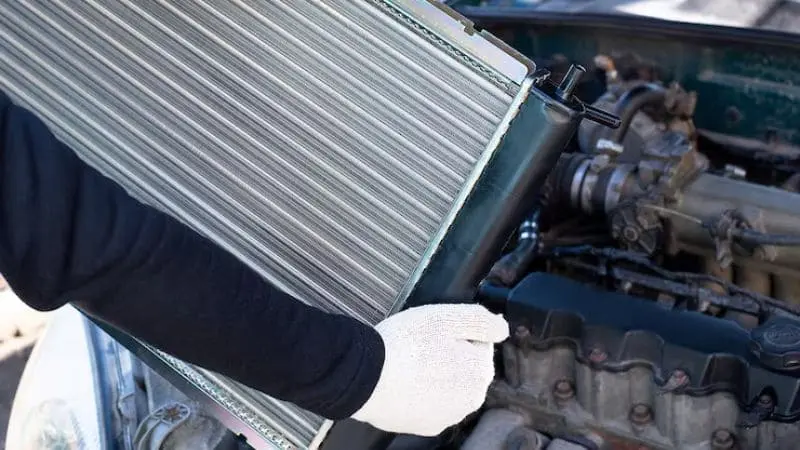
A radiator that is clogged or corroded should be fixed urgently. Replacement or flushing of it restores normal coolant circulation.
In case you get into an overheating situation when travelling remotely, you may require a car breakdown service to bring the vehicle to a safe place before it starts being repaired.
2. Thermostat Replacement
Broken thermostats will not cost a lot to change and will result in excessive overheating when left unchanged.
3. Water Pump Repair
The pump is used to provide a constant flow of coolant. On failure, overheating occurs quickly.
During checking, specialists can advise examining adjacent parts, such as brakes, engine or other parts, in order to make sure that no related problems influence the overall engine functioning.
4. Coolant Flush & Leak Fixes
Leakage is a common occurrence as a result of the hoses, radiator caps, reserves, or the heater core. A full pressure test can see the exact location.
Through regular maintenance, including vehicle inspections in Perth, there are always cases where technicians have noticed leaks in time before they cause severe effects.
Diagnostics: How Professionals Find the Real Issue
A proficient car diagnostic mechanic operates using the assistance of the following tools:
1. Pressure testers
2. Radiator cap gauges
3. Thermostat sensors
4. OBD-II scanners
5. Thermal cameras
Internal failures that are not observable can be identified using such tools. The existing diagnostics do not guess, but offer the right repair at the first attempt. If you get stuck on the way, then a tow truck Perth operator can take your car to a safe spot so that your engine does not get seized.
Prevention: How to Stop Overheating Forever
Some of the habits that will save your engine from overheating are as follows:
1. Monitor coolant after every 2 weeks.
2. Replace coolant annually
3. Inspect hoses regularly
4. Keep the radiator clean
5. Service your cooling fan
6. Maintain proper oil levels
It is because there are those professionals who provide preventive maintenance and tow truck services Perth partnerships to ensure that you are never stuck whenever an emergency arises.
Regular maintenance also includes the full car check that is conducted at least once yearly to disclose weak parts in their early stages of discovery.
Conclusion
Car overheating and mobile mechanic service solutions are becoming essential as more drivers face unexpected temperature spikes on the road. Understanding why your engine overheats and acting quickly can prevent severe mechanical damage and costly repairs.
From monitoring coolant levels to paying attention to early warning signs, a proactive approach keeps your vehicle safer and running smoother. And whenever you’re caught in a tough spot, calling a trusted mobile expert ensures fast help, accurate diagnostics, and reliable support right where you are.
Also Read: What Makes the Mazda CX-5 One of Australia’s Favourite SUV’s?
FAQs
1. What should I do first if my car starts overheating?
Answer 1:
Turn off the AC immediately, turn on the heater to dissipate the heat in the engine, and safely pull over. Allow the engine to cool down and then open the bonnet to prevent burns.
2. Would I be able to drive when my temperature gauge increases a notch?
Answer 2:
It’s not advisable. Even low temperature rises can be a sign of low coolant or poor circulation. Any further driving exposes the engine to extreme damage.
3. Why does my car overheat when I am in a traffic jam?
Answer 3:
This usually occurs when the cooling fans fail or in cases where there is a blockage of airflow. During slow traffic, the engine is heavy on fans to cool it.
4. What is the frequency of taking my temperature check on the coolant level?
Answer 4:
It is best to check the coolant every two weeks and during long journeys. Sudden decreases normally represent leakages or problems within the engine.
5. Are the used belts and hoses overheating?
Answer 5:
Yes. Broken belts also influence the operation of water pumps, and broken hoses result in coolant leaks. They should be replaced in time to ensure the healthy engine temperature.