If your car starts to pull slightly to one side or the steering does not feel quite right, it could be more than a minor issue. Drivers often miss early signs of misalignment, especially when the shift happens slowly. But even small changes can affect how your vehicle handles. The dangers of driving with bad alignment extend beyond worn tyres. It can change how safely your car responds, particularly in wet conditions or during long drives. That is why catching the problem early can make a big difference.
Also Read: How to Diagnose Car Engine Problems Like a Pro?
Why Alignment Deserves More Attention Than It Gets
When the wheels are correctly aligned, your vehicle runs smoothly. The steering feels balanced, braking is more controlled, and tyre wear stays even. Misalignment throws that balance off.
You might notice the car tugging in one direction or a slight shake at certain speeds. These are not just annoyances, but they are also clues. When ignored, they often lead to more serious wear and tear. A minor alignment issue now can turn into a costly repair later.
How to Tell if Your Car Is Misaligned
Not every problem shows up right away. But there are clear warning signs if you know where to look. Even subtle changes in how your car handles could point to a deeper alignment issue developing.
- The vehicle leans or drifts off-centre while driving
- Tires lose tread more on one side than the other
- You hear more road noise than usual
- The steering wheel feels off-centre
- Turning does not feel as smooth as it used to
Any of these could mean your wheels are not angled as they should be. Left alone, that kind of wear can also affect your suspension and other parts connected to the steering.
Also Read: The Right Way To Clean An Engine Bay
Key Risks: The Dangers of Driving With Bad Alignment
Misalignment might not seem urgent at first, but the dangers of driving with bad alignment add stress to parts of your car not designed for long-term pressure. Small alignment issues often lead to more serious mechanical problems over time.
1. Tyre Damage Comes First
Uneven tread wear is often the earliest sign. Over time, this weakens grip, reduces braking ability, and increases your chance of a blowout.
2. Fuel Use Goes Up
When the wheels do not line up, your car has to push harder against resistance. That leads to reduced mileage and more frequent fuel stops.
3. Steering Becomes Less Reliable
If it takes effort just to drive straight, reacting in emergencies becomes harder. Your car may not respond well during a sudden lane change or sharp corner.
4. Extra Stress on Suspension
Suspension parts are designed for balanced pressure. Misalignment shifts that pressure, wearing down bushings, joints, and shocks faster than usual.
Even if these changes happen gradually, the results often add up, especially when ignored.
Also Read: What Does A Car Diagnostic Test Tell You?
Trouble Gets Worse in Rain or Over Rough Roads
Driving in wet weather already reduces traction. If your wheels are misaligned, it becomes even harder to maintain control. Steering can feel unpredictable, and your braking distance may increase.
Perth’s changing road conditions from hot, dry days to sudden rain make proper alignment or wheel balancing all the more critical. Whether you are commuting through traffic or heading out on a weekend trip, it is better to trust your handling. Poor alignment takes away that confidence.
Alignment vs Balancing: Know the Difference
Both wheel alignment and balancing keep your car stable, but they are not the same. The alignment of your wheel adjusts the angle of the wheel so it meets the road correctly. Balancing the wheel fixes weight issues within the tyre and rim that cause vibrations.
Many drivers confuse the two, but knowing the difference between wheel alignment and balancing helps you ask for the proper fix. If your car shakes at high speeds, it might need wheel balancing, and if it pulls to one side, it is likely an alignment problem.
Also Read: A Guide On How To Protect Your Engine From Heat And Friction
What to Expect During a Wheel Alignment Service
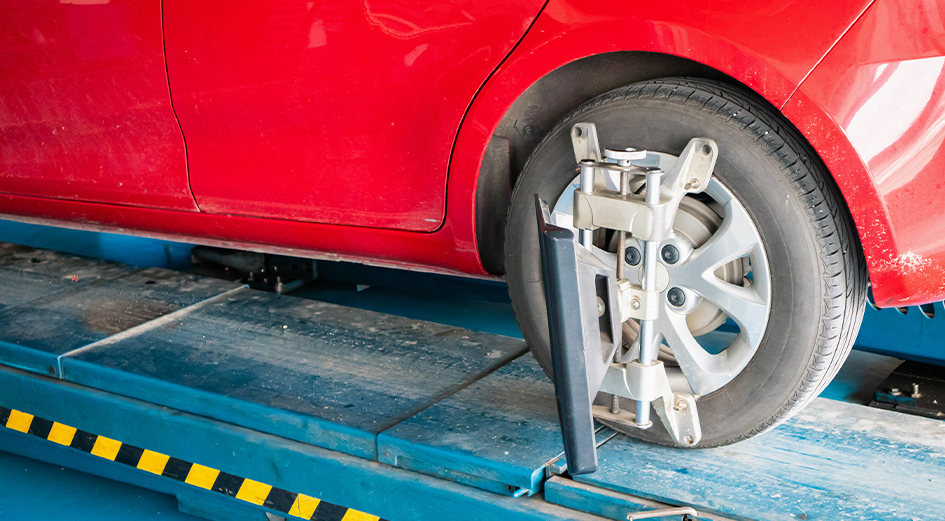
When you book a wheel alignment service, the technician will check your camber, caster, and toe settings, all angles that affect how your tyres sit and move. Adjustments are made using special equipment, often in under an hour.
A quick fix can help you avoid long-term tyre damage. If you are in Western Australia, wheel alignment near me searches will often bring up reliable services, both in workshops and mobile.
For those who want convenience, mobile wheel alignment services in Perth bring the alignment check to your home or office.
Mobile Options for Perth Drivers
Time is tight. If you can not make it to a shop, mobile car mechanics teams offer solutions where you are. Some services now include mobile wheel balancing, making it convenient to get your wheels aligned at your location. Others offer a mobile car service, which can include on-site diagnostics and routine maintenance.
If you have already had tyre wear or noticed handling issues, calling a mobile car mechanic in Perth is often faster than waiting for a weekend garage visit.
Also Read: 10 Things That Can Drain Your Car Battery Fast
How Much Does It Cost?
The car wheel alignment cost of Perth drivers typically ranges from $80 to $150, depending on your car type. Four-wheel drives and luxury models may cost more. If you bundle with rotation or tyre checks, some providers offer discounts. Though it may feel like a routine job, it pays off in tyre life, fuel savings, and peace of mind.
When to Check Your Alignment
As a rule of thumb, alignment should be checked once a year or every 10,000 to 15,000 kilometres. But you may want to check it sooner if:
- You hit a pothole or curb
- You recently replaced the tyres
- Your car was in an accident
- Steering or handling feels different
Do not wait until your tyres wear unevenly. Catching misalignment early keeps your car safe and comfortable to drive.
Final Thoughts
You may not see it, but bad alignment changes how your car drives. The dangers of driving with bad alignment go far beyond uneven tyres.
If your car pulls, shakes, or your tyres wear unevenly, it is time to act. Use or call a local shop like Mobile Mechanic Perth to get things back on track. You will save money on repairs and keep your drive safe, no matter the weather or road ahead.
FAQs
1. How often should I get a wheel alignment?
Answer:
At least once a year, or any time you notice pulling, uneven tyre wear, or after hitting something on the road, you should get a wheel alignment.
2. What causes bad alignment?
Answer:
Curb hits, potholes, worn suspension parts, or even regular wear can shift your wheels out of place.
3. Can I drive safely with bad alignment?
Answer:
Not for long. You may not notice problems at first, but it leads to worse control, faster wear, and lower fuel efficiency. So you should visit a service centre or at least call a mobile car service in Perth.
4. What’s the difference between balancing and alignment?
Answer:
Balancing corrects internal wheel weight issues. Alignment adjusts the angle of the wheels to match the road. If you are still unsure, you can also search wheel alignment vs balance to compare common symptoms or ask a professional to check both.
5. Are mobile alignment services reliable?
Answer:
Yes. Many mobile wheel aligners of Perth-based services in Perth use high-quality tools to do accurate checks at your location.