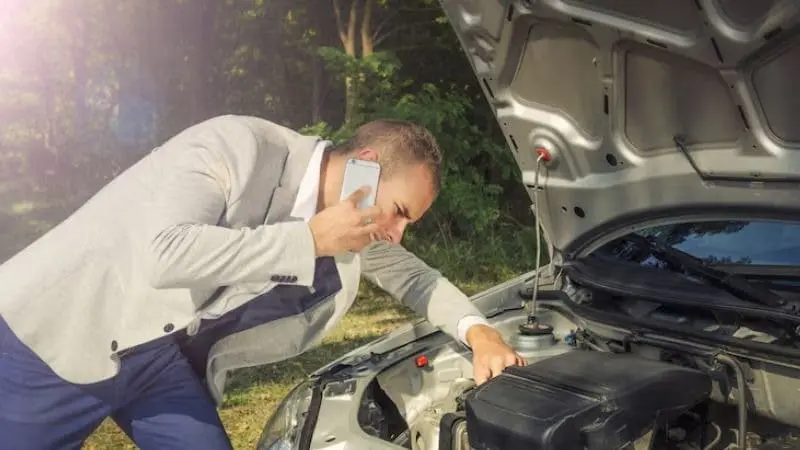
Imagine driving your car and noticing heat coming out of the engine. This situation demands car engine overheating help. Everything might be running smoothly. But a strange smell and the rising temperature gauge might make you feel nervous behind the wheel. You must be able to make quick but informed decisions during such moments. Reacting the wrong way might worsen what could be fixed easily. This blog talks about what you should never do when you face the issue of an overheated engine while driving.
Signs Your Engine Is Overheating
If you are familiar with the early signs of engine overheating, you might be able to prevent serious damage with a vehicle breakdown in Perth. The good news is that most engines give clear warnings before things worsen. Try to keep an eye out for the following signs:
1. Rising temperature gauge:
The needle might start moving towards the “H” or red zone. That’s a clear sign of an overheated engine.
2. Steam coming out of the bonnet:
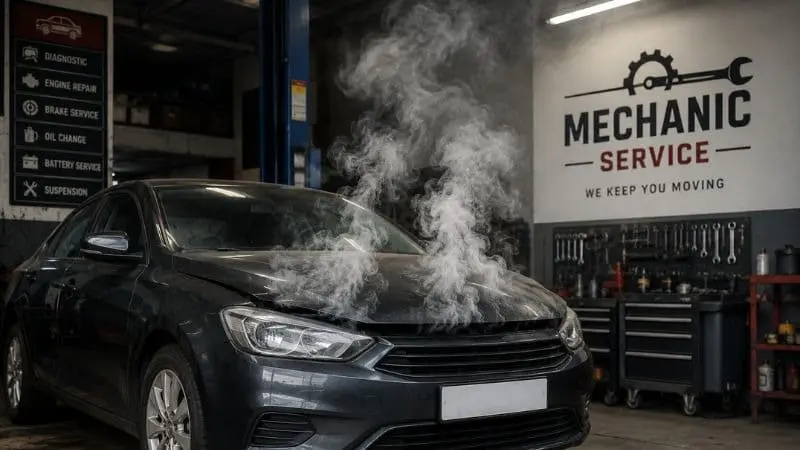
Smoke from the bonnet indicates that the coolant is boiling.
3. Unusual smells:
If you start noticing a sweet smell, it might be because of leaking coolant. Other smells, like that of burnt rubber or oil, often hint at more severe damage.
4. Poor engine performance:
Engine overheating can also make your car feel sluggish. It might start stalling and shift into a protective mode.
5. Dashboard warning lights:
Another clear sign that you need car engine overheating help is when your vehicle gives a temperature warning or turns on the check engine light.
What Drivers Should Never Do?
Most people start panicking when they notice their engine getting overheated. That’s the worst reaction because you might end up doing the wrong things out of fear. Here are the key mistakes that you should never make:
1. Do Not Keep Driving
One of the worst things to do is to continue to drive with an overheated engine. It can create the following problems:
– Increase internal heat too fast. – Warp engine components. – Crack the engine block.
You should stop as soon as possible. Pushing it further can increase your repair costs a lot. It’s best to call for a tow truck Perth so that your vehicle can be transported to a mechanic and repaired there.
2. Do Not Open the Bonnet Immediately
The first instinct might be to check under the bonnet. But it can turn out to be extremely dangerous. Hot steam can come out suddenly and cause serious burns.
You should wait for at least 15 to 30 minutes before opening the bonnet. This will ensure that the pressure inside the system gets enough time to settle.
3. Do Not Pour Cold Water on a Hot Engine
This is a common mistake, especially in emergency situations.
– A sudden temperature change can crack metal components – It may damage the engine block or radiator
Instead, allow the engine to cool naturally. Seeking proper car engine overheating help is always safer than quick fixes.
4. Do Not Ignore the Problem
Sometimes, after topping up coolant, the car may seem fine. This can be misleading.
– The root issue still exists – The problem will return, often worse – Small issues can turn into major failures
Always get the cause investigated by a car breakdown service rather than assuming it is resolved.
5. Do Not Restart the Engine Too Soon
Restarting before the engine cools down can worsen the damage.
– Heat builds up faster the second time – Internal components may already be stressed – It increases the risk of permanent damage
Wait until the temperature gauge returns to normal before considering a restart. If you aren’t confident about restarting the vehicle, get in touch with a mobile auto mechanic.
6. Do Not Panic
The key is to stay calm during such situations. Do not brake or swerve suddenly. Instead, you should pull over safely. Keeping a clear head and calling for professional car breakdown help can prevent both mechanical damage and road accidents.
What You Should Do Instead?
We have already told you what you shouldn’t do. But here are a few things that you can do to handle the situation the right way:
– Turn off the air conditioning system of your vehicle. – Turn on the heater so that the heat shifts from the engine. – Switch off the engine after pulling over safely. – Let the engine cool on its own. – Go ahead and check the coolant’s level after some time. – Drive carefully to a repair centre if the issue seems manageable. But if your car is not in a state to drive, you can always call for a mobile car mechanic Perth.
These steps can provide immediate car engine overheating help and reduce potential damage.
Why Do Engines Overheat?
If you seek a 24/7 breakdown service Perth, most experts will say that the overheating points to a problem within the cooling system. Here are the most common causes.
1. Low Coolant Levels: Coolant helps regulate engine temperature. Low levels mean heat cannot be managed effectively.
2. Cooling System Leaks: Leaks in the cooling system can reduce the level of coolant in the car and cause disruptions.
3. Faulty Water Pump: The water pump is responsible for circulating coolant. If it does not operate properly, the engine gets heated quickly.
4. Damaged Hoses or Belts: Broken belts or cracked hoses often restrict coolant flow.
5. Radiator Problems: Leaking or blocked radiators fail to cool the fluid properly.
6. Low Engine Oil: Oil reduces friction and heat. Low levels increase temperature rapidly.
7. Thermostat Failure: Issues with the thermostat might prevent proper circulation of the coolant.
Understanding these causes helps you act early and seek the right car engine overheating help.
How to Prevent Engine Overheating?
Prevention is always better than expensive mechanical repairs Perth. A few simple habits can keep your engine running smoothly.
1. Regular Checks
– Keep an eye on coolant levels – Check engine oil levels – Find out if there are any leaks under the car.
2. Inspect Cooling Components
– Look for cracks and wear in hoses. – Check if the belts are tight and functional. – Examine the condition of the radiator.
3. Pay Attention to Warning Signs
– Never overlook unusual sounds or smells coming out of your vehicle. – Keep an eye on the temperature gauge. – Seek services for a mobile car repair Perth when warning lights appear.
4. Schedule Routine Maintenance
– Regular mobile auto service keeps systems in good condition. – Professional mechanics are able to detect minor issues early. – You will save a lot of money in the long run with proper preventive care.
The Cost of Ignoring Overheating Engine
Ignoring the signs of an overheated engine can prove to be extremely costly. Engine rebuilds are expensive. You might have to repair multiple components at a time. An inoperable vehicle can also disrupt daily life.
A small issue today can become a major financial burden tomorrow. That’s why acting early and getting in touch with professional mobile mechanics saves both time and money.
Conclusion
You should never ignore an overheating engine. You can take prompt actions to prevent the issue from turning into a complete mechanical failure. But you should also know what not to do in such situations. Remember that continuing to drive a car with an overheated engine or opening the bonnet too soon can cause serious damage. If you ever notice signs of engine overheating, scheduling vehicle inspections Perth will be the wisest thing to do. It will ensure that professionals take care of your car and keep it in perfect condition for years to come.
FAQs
1. What are common causes of engine overheating?
Answer 1:
A few key causes of engine overheating include low coolant levels, cooling system leaks, thermostat failure, and faulty water pumps. Other common reasons include low levels of engine oil and issues with the radiator.
2. Does the check engine light appear during overheating issues?
Answer 2:
The check engine light of certain vehicles might appear alongside a temperature warning. The specific system of the car will determine what signs will show up.
3. Should you pour cold water into an overheated engine?
Answer 3:
Pouring cold water on a hot engine is never a good idea because sudden temperature changes can cause severe damage. Let the engine cool naturally.
4. How do engine diagnostics help prevent overheating in the future?
Answer 4:
Engine diagnostics identify underlying issues such as leaks, faulty sensors, or failing components. This helps fix problems early before they lead to overheating.
5. Can regular engine diagnostics reduce overheating risks?
Answer 5:
Regular diagnostics are extremely important for detecting small issues and fixing them before they can escalate. This reduces the likelihood of unexpected overheating.
6. Does heavy traffic increase overheating risk?
Answer 6:
Heavy traffic often restricts airflow to the radiator, and that might make it harder for the engine to cool down. Prolonged idling in such conditions can increase the risk of overheating.