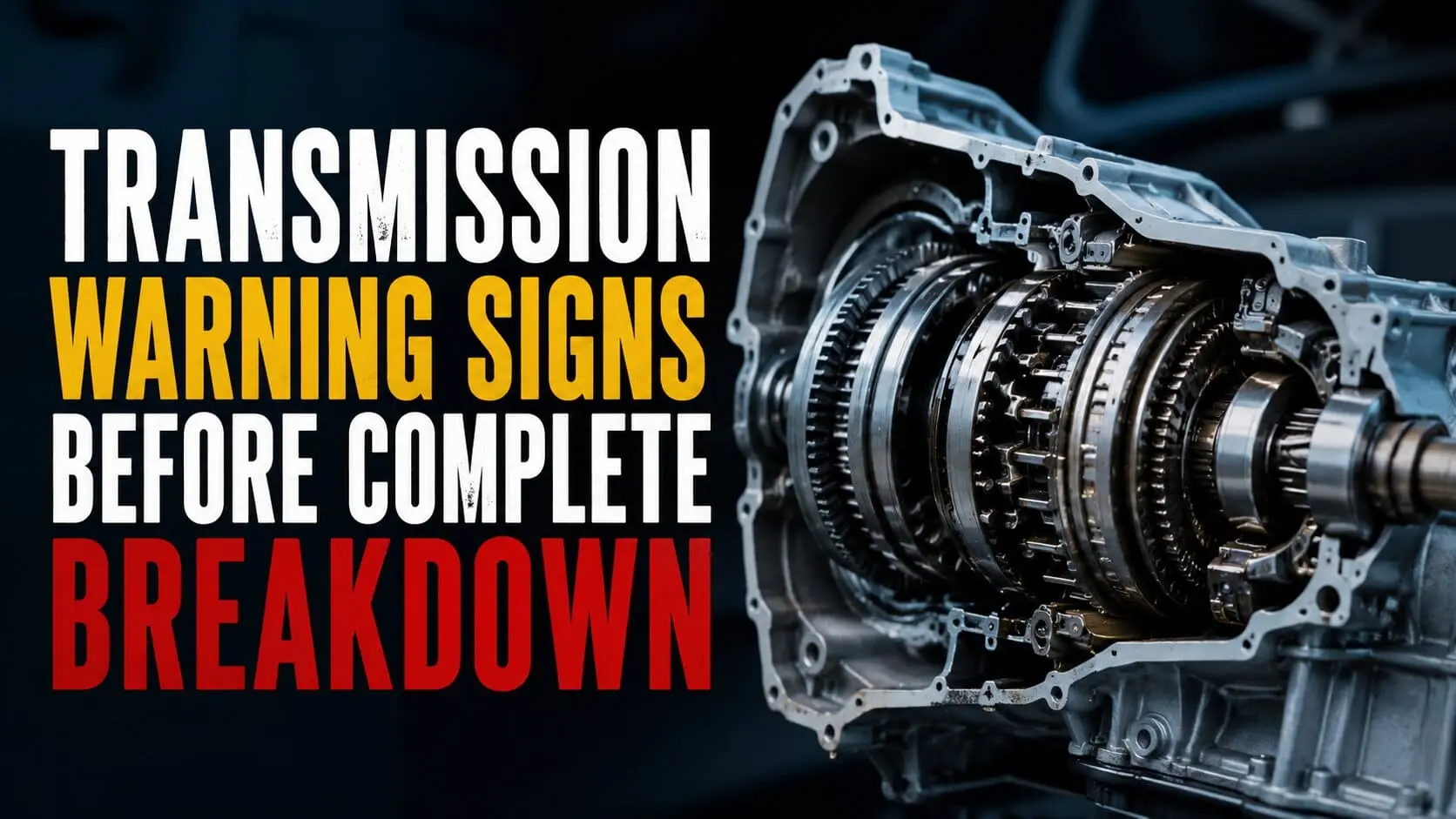
Problems with your car don’t just pop up out of nowhere. The car gives off certain indications prior to any total breakdown. Hence, it is important to be aware of the indications at an early stage. This is especially true when dealing with problems concerning the transmission of your vehicle. Ignoring transmission failure warning signs may lead to expensive fixes and replacements.
Keep reading to know some of the most typical symptoms indicating your transmission isn’t working properly, and fix them before you start enjoying a car that runs smoothly for the whole year.
Delayed or Rough Gear Shifting
This is one of the first signs that your car’s transmission is not working properly.
What you may notice:
• Delay when shifting from park to drive
• Slow or jerky gear changes
• A noticeable clunk during transitions
What it means:
This usually refers to either a low amount of fluid, a different kind of fluid, or premature wear of internal components.
What to do:
Check fluid levels and fluid quality. Seek professional help if the problem remains for a few days.
Transmission Slipping
This problem is not only annoying but can also become dangerous when driving on the busy streets of Australia.
What you may notice:
• The engine revs without any gain in speed
• The drop in acceleration occurs rapidly.
• The vehicle is not able to maintain speed.
What it means:
This may indicate that the clutch plates are worn, that the internal parts are not functioning correctly, or that the brake fluid is low.
What to do:
Limit driving immediately. If the slipping gets to be a regular occurrence, have a vehicle inspection done by a mechanic as soon as possible.
One of the most apparent and widespread issues with transmission is leaking.
What you may notice:
• Red or brown liquid under your vehicle
• Low fluid levels
• Sluggish performance
What it means:
Seals that are worn, damaged gaskets and loose components can cause leaks.
What to do:
Address leaks quickly. Even a small leak can grow to a big repair job if not addressed.
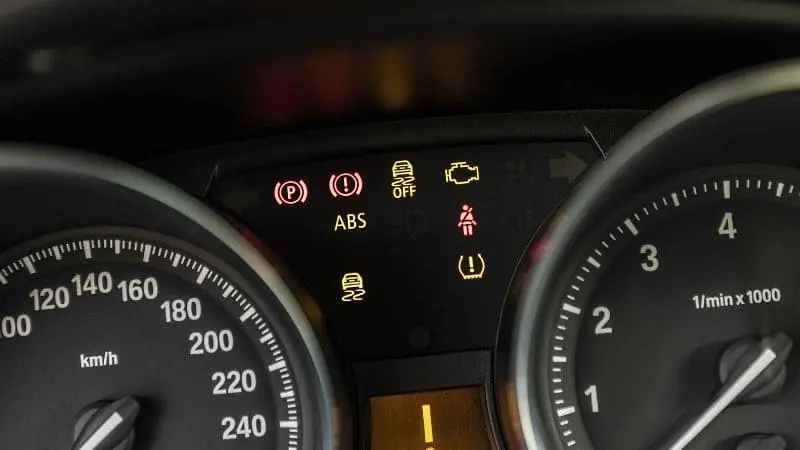
Dashboard Warning Lights
Modern vehicles use sensors to monitor transmission performance.
What you may notice:
• Check engine light
• Transmission warning light
What it means:
Sensors detect irregularities in temperature, pressure, or gear operation.
What to do:
Get your vehicle scanned by a mobile auto mechanic for diagnostic codes as soon as possible.
Shaking or Jerking While Driving
Your car should feel smooth. Any shaking is a sign that something is wrong.
What you may notice:
• Vibrations during acceleration
• Jerking between gear changes
• Uneven driving experience
What it means:
This may indicate worn gears, clutch problems, or mounting issues.
What to do:
Reduce driving and arrange a professional inspection immediately.
Vehicle Refuses to Move
This is one of the most serious signs of transmission failure, and not because you didn’t buy the best tyres Australia.
What you may notice:
• The car won’t move despite being in gear
• Delayed or no response when accelerating
• Complete loss of drive
What it means:
Severe internal damage or complete system failure.
What to do:
Do not drive the vehicle. Arrange for towing and immediate repair.
Transmission Failure Warning Signs You Should Never Ignore
Some symptoms demand immediate attention and should never be delayed.
What you may notice:
• Persistent slipping
• Burning smell
• Loud grinding noises
• Complete loss of movement
What it means:
These are advanced transmission failure warning signs indicating severe internal damage.
What to do:
Act immediately. Delaying action can turn a repairable issue into a full replacement.
How Transmission Problems Develop Over Time
Transmission problems don’t just happen overnight; they gradually develop. Early-stage problems, such as slight delays in shifting and minor roughness, can usually be fixed relatively cheaply and easily if dealt with promptly.
When wear increases, the signals become more noticeable. Drivers start to experience:
Repair costs are higher and more critical at this point. The more you ignore, the more serious the issue gets. In many instances, tyres can get severely damaged, requiring mobile tyre service Perth.
The Real Cost of Ignoring Transmission Issues
Repairs for transmissions can vary greatly depending on their timing. Replacement of fluids or seals is relatively cheap. But as soon as the inner components are compromised, the cost rises.
A complete repair or replacement can mean that your repairs would be worth thousands of dollars. Even having the best tyre brands in Australia won’t help you.
Not only would it be expensive, but it could be dangerous as well, especially when travelling longer distances within Australia. Breakdowns can occur at any time, necessitating a 24-hour mobile mechanic, which would cost a lot.
Below are some of the best ways to prevent transmission breakdowns.
Maintenance habits:
• Check transmission fluid regularly
• Follow the manufacturer’s service intervals
• Avoid overfilling the fluid
• Inspect for leaks frequently
Driving habits:
• Avoid aggressive acceleration
• Do not shift gears while moving
• Allow the engine to warm up
• Drive smoothly in heavy traffic
Good habits go a long way in extending transmission life and reducing expensive mobile car mechanic Perth costs.
Why Early Detection Matters More Than You Think?
Early detection will save you thousands of dollars and avoid surprises. The low fluid may be viewed as a small issue, but it can turn into something big and cause internal problems. Early detection will assist in preventing any expensive replacements and complicated procedures.
The transmission will definitely be put under some extra pressure because of the varying terrain, heat, and distance travelled in Australia.
Recognising transmission failure warning signs at the right time ensures your vehicle stays reliable and safe.
Conclusion
Transmission issues don’t just happen overnight but develop over time. Recognising transmission failure warning signs early can help you avoid costly repairs and unexpected breakdowns. Taking care of them promptly will not only ensure that your vehicle remains safe but will also make sure that you are protected while driving. You may save yourself from trouble and expenses in the future by just taking some precautions now.
Q.1 What causes transmission slipping while driving?
Answer 1:
This happens mostly when you have low or degraded fluid, internal components that do not work anymore or worn clutch plates. If you do not fix the problem early, you might even require an urgent mobile tyre fitting service.
Q.2 Why does my car struggle to accelerate?
Answer 2:
When the difficulty of accelerating a vehicle is experienced, this may be due to transmission problems like slippage, lack of fluid or damaged components. The situation can also be because of clogged filters or malfunctioning sensors that make the acceleration of the transmission difficult.
Q.3 Can overheating affect the transmission system?
Answer 3:
Yes, if your transmission starts to overheat, it can cause severe damage. This is because the transmission fluid breaks down when heated, leading to poor lubrication and increased friction and wear.
Q.4 Why does my car go into limp mode suddenly?
Answer 4:
Limp mode occurs when there is a problem in your car, usually involving the transmission system or engine. This slows down the speed and overall performance to prevent additional damage. Some reasons for limping may include a transmission that is overheating, malfunctioning or has faulty sensors.
Q.5 When should I get a transmission diagnostic check?
Answer 5:
If you notice your transmission system experiencing issues like delayed shifting, slipping or odd noises, then it is time for your transmission system to be diagnosed.
Q.6 How much damage can occur if transmission issues are ignored?
Answer 6:
Failure to address transmission problems may cause a significant amount of damage to the interior of the transmission. In the long run, repair expenses will go up and may even result in the replacement of the transmission. In addition, you can get stranded, especially when travelling long distances requiring expensive mobile mechanic Perth services.
Q.7 Can transmission repair save replacement costs?
Answer 7:
Of course, repairing the transmission on time will be less expensive than replacing it altogether. By solving any issues before they become worse, you avoid any further damage inside the transmission, such as leaking fluids or worn-out seals.