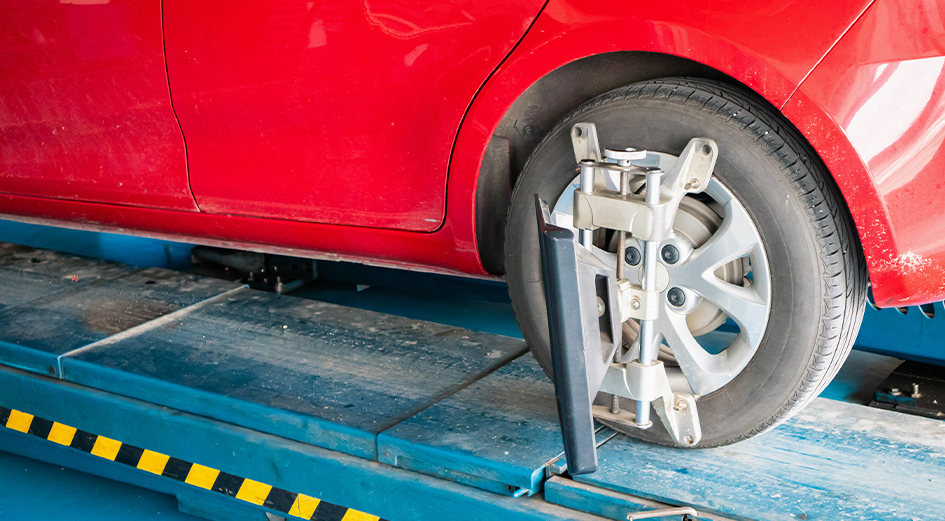
A properly serviced wheel system is important for driving comfort, steering accuracy and tyre durability. As services like Mobile Wheel Balancing Perth are used for standard vehicle service, it is important to learn the basics of wheel care. Wheel balancing and alignment are performed together, but each has its own purpose when it comes to the vehicle’s performance.
This blog explains wheel balancing and wheel alignment, along with a comparison of their major differences and the necessity of each service.
What Is Wheel Balancing?
Wheel balancing can be described as the process that includes balancing a tyre in a wheel assembly to make sure that the tyre’s weight is evenly spread around the axle. The process enables the wheel to rotate without producing vibrations and uneven movement. Wheel balancing helps to maintain uniform contact of tyres to the road, which helps in maintaining stable handling, better ride comfort, and prevents tyre wear while driving.
How It Works Across Mobile Wheel Balancing Perth?
Many mobile auto mechanics follow a precise procedure to balance the vehicle’s wheels:
1. All the wheels are set on a balancing machine.
2. The machine rotates the wheel to identify weight anomalies.
3. Little counterweights are fixed in certain portions of the rim.
4. A wheel is re-examined to ensure that it rotates smoothly and steadily.
This is done to make sure that the tyre is in constant contact with the road.
What Is Wheel Alignment?

The wheel alignment service is a precise mechanical procedure that pays attention to the position of the vehicle’s wheels. It is done with regard to the suspension, the steering components and the road surface. Wheel alignment is used to correct the angles at which the wheels are placed to meet your car manufacturer’s specifications. These angles define the contact levels of tyres to the road when driving straight, turning right or left, braking and acceleration.
The process of wheel alignment entails three important measurements, which include camber, caster, and toe. Camber is the inclination or sideways slope of the wheel as seen in the front part of the car. Caster affects the forward or backward tilt of the steering axis and has an effect on stability and steering return. Toe explains that the tyres may either be in-inverted or out-inverted when viewed from above. The variation in these angles may affect vehicle handling and tread wear patterns.
Also Read: What Are the Dangers of Driving With Bad Alignment?
How Does Wheel Alignment Work?
The alignment process commonly used by mobile car mechanics is as follows:
1. The current wheel angles are measured with the help of specialised equipment.
2. The mechanic checks readings against the manufacturer’s specifications.
3. Next, they adjust suspension parts to adjust camber, toe and caster.
4. Lastly, the car mechanic recalibrates angles to ensure that they precisely align with your car’s suspension and chassis.
Also Read: How Much Does A Car Wheel Alignment Cost In Perth?
Comparison of Mobile Wheel Balancing Perth and Standard Balancing
Although the technical objective is the same, the type of delivery used in mobile and workshop-based balancing is different. This difference affects how the service fits into a vehicle owner’s regular maintenance schedule.
Mobile Service Advantages
Wheel balancing includes performing the balancing procedure at your location using portable professional equipment. Mobile mechanics process mirrors workshop balancing in terms of measurements and corrective adjustments, while offering flexibility in where and when the service is completed. Here are the benefits of mobile car services for wheel balancing and alignment:
1. Conducted at the present point of the vehicle.
2. Useful for home, workplace and on-road assistance.
3. Applies the same rules of balancing and the corrective weights.
4. Enables effective scheduling and low downtime of vehicles.
Standard Workshop Pros
Standard wheel balancing is done in a special workshop with a set of balancing machines. This setting enables professionals working as mobile mechanic service providers to check your car for the following aspects:
1. Performed in a controlled workshop setting.
2. Works with balancing, high-capacity and stationary devices.
3. Fits complementary checks, like checking the tyre condition.
4. Easy to fix with other mechanical services.
Difference Between Wheel Balancing and Alignment
Wheel balancing and alignment have been discussed simultaneously due to the fact that the two are associated with the performance of tyres. But they are used to fix different mechanical factors in vehicles. The contrasts between the two are as follows:
| Aspect |
Wheel Balancing |
Wheel Alignment |
| Primary function |
Ensures even weight distribution during wheel rotation |
Adjusts wheel angles for correct road contact |
| Main problem addressed |
Vibration and uneven rotation |
Steering deviation and uneven tyre wear |
| Area of focus |
Wheel and tyre assembly |
Suspension geometry and steering angles |
| Effect on tyres |
Prevents spot wear and vibration-related damage |
Promotes even tread wear across the tyre |
When Should You Balance or Align Your Wheels?

Both wheel balancing and alignment maintenance are influenced by driving conditions, changes in tyre shape, and the movement of the suspension. Being aware of when each service should be performed through mobile autocare professionals helps to get proper handling of your vehicle.
Suggested Intervals
Servicing your car at specified intervals allows you to identify wear patterns and guides for taking necessary steps to fix such issues. Besides complete car servicing, wheel alignment and balancing should be done in the following intervals:
1. Balancing of wheels is usually suggested after every 10,000 to 15,000 kilometres of travelling.
2. The alignment of the wheels is usually re-examined after every 15,000-20,000 kilometres of travelling.
Actual timing for wheel balancing and alignment, along with complete mobile auto services, may vary depending on road quality, your driving style, and vehicle design.
Situations That Trigger These Services
Certain driving events and usage patterns create conditions that affect wheel balance or alignment, even between scheduled inspections.
Here are a few instances when you may need wheel balancing Perth:
1. New tyres are fitted and the weight distribution is changed.
2. If you are experiencing vibrations while driving.
3. Potholes or road debris impact on wheels.
4. Tyres show signs of wear or puncture.
When wheel alignment is needed:
1. The car is pulled to one side when making a straight drive.
2. The steering wheel does not seem to be in the centre.
3. Tyres wear out of shape over the tread.
4. Components in suspensions are changed or modified.
Benefits of Regular Wheel Balancing and Alignment
Regular wheel balancing and alignment have a direct effect on the way a car functions and the wear and tear of tyres. When implemented as part of the regular service, they show quantifiable results of tyres and car stability.
1. Improves Tyre Lifespan
Wheel balancing helps in avoiding uneven rotations that may cause flat spots or uneven wear of the treads. Whereas mobile wheel alignment Perth ensures that the tyres have even contact with the road surface. Together, these mechanisms help to evenly spread the load on the tread of the tyre.
2. Driving Safety and Comfort
Balanced wheels help to eliminate vibrations caused by the steering wheel and the vehicle’s body. The right line positioning provides straight-line stability, responsive steering and stable handling in a corner, braking, and while changing lanes.
3. Fuel Efficiency Gains
Wheel alignment has a direct impact on rolling resistance because it is used to make tyres follow a straight path. The correct alignment minimises unwarranted friction, which makes the vehicle move more efficiently and uses a constant amount of fuel.
Final Thoughts
Wheel balancing and alignment are two different yet equally significant elements of vehicle maintenance. Balancing provides a smooth rotation of the wheels and alignment is used to keep the wheels in the right position so that you can get maximum control and prevent tyre wear. Neglecting any of the services can result in discomfort and safety risks. By identifying these distinctions and being mindful of warning signs, you can make smarter maintenance decisions.
If you are searching on the web for ‘wheel alignment near me’ because of wheel alignment and balancing issues, contact your nearest mobile mechanic today!
FAQs
1. How can I identify if my car needs mobile wheel balancing Perth?
Answer 1:
You can experience steering wheel vibration, particularly at higher speeds or on rough roads. Another thing that might explain the necessity of wheel balancing is uneven tyre wear.
2. What are the signs that my car needs wheel alignment?
Answer 2:
A car that pulls to one side, has an off-centre steering wheel or shows uneven tyre wear is often a sign of wheel alignment issues. Misalignment may also be identified through poor steering response.
3. How often should I get wheel balancing and alignment done?
Answer 3:
Wheel balancing is recommended after every 10,000 – 15,000 kilometres or when new tyres are installed. Alignment of the wheels must also be done after 10,000 – 20,000 km or if your vehicle hits potholes or curbs.
4. Can improper alignment cause tyre wear?
Answer 4:
Yes, improper wheel alignment might lead to uneven wearing of tyres at a rapid rate. Such asymmetrical wear decreases the life span of tyres and may negatively impact car performance and safety.
5. How long do wheel balancing and alignment take?
Answer 5:
Wheel balancing typically requires 20 to 30 minutes, depending on the tyre condition. The duration of wheel alignment is usually 30 to 60 minutes, and it varies depending on the car and the adjustments to be made.